Atomic absorption spectroscopy
Elemental analysis method for metal concentration determination.

MarsInSVG · CC BY 4.0
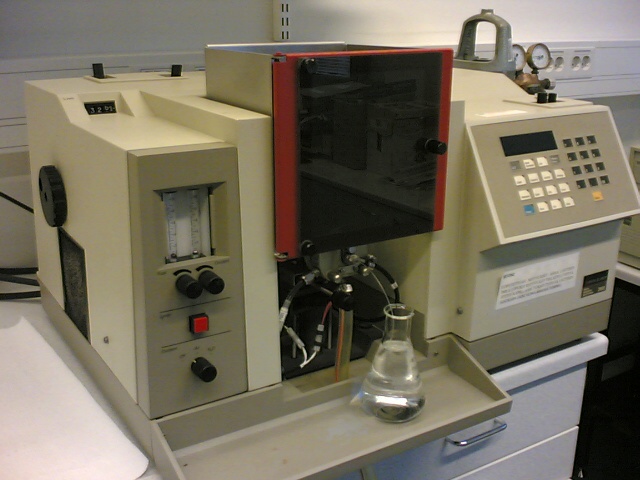
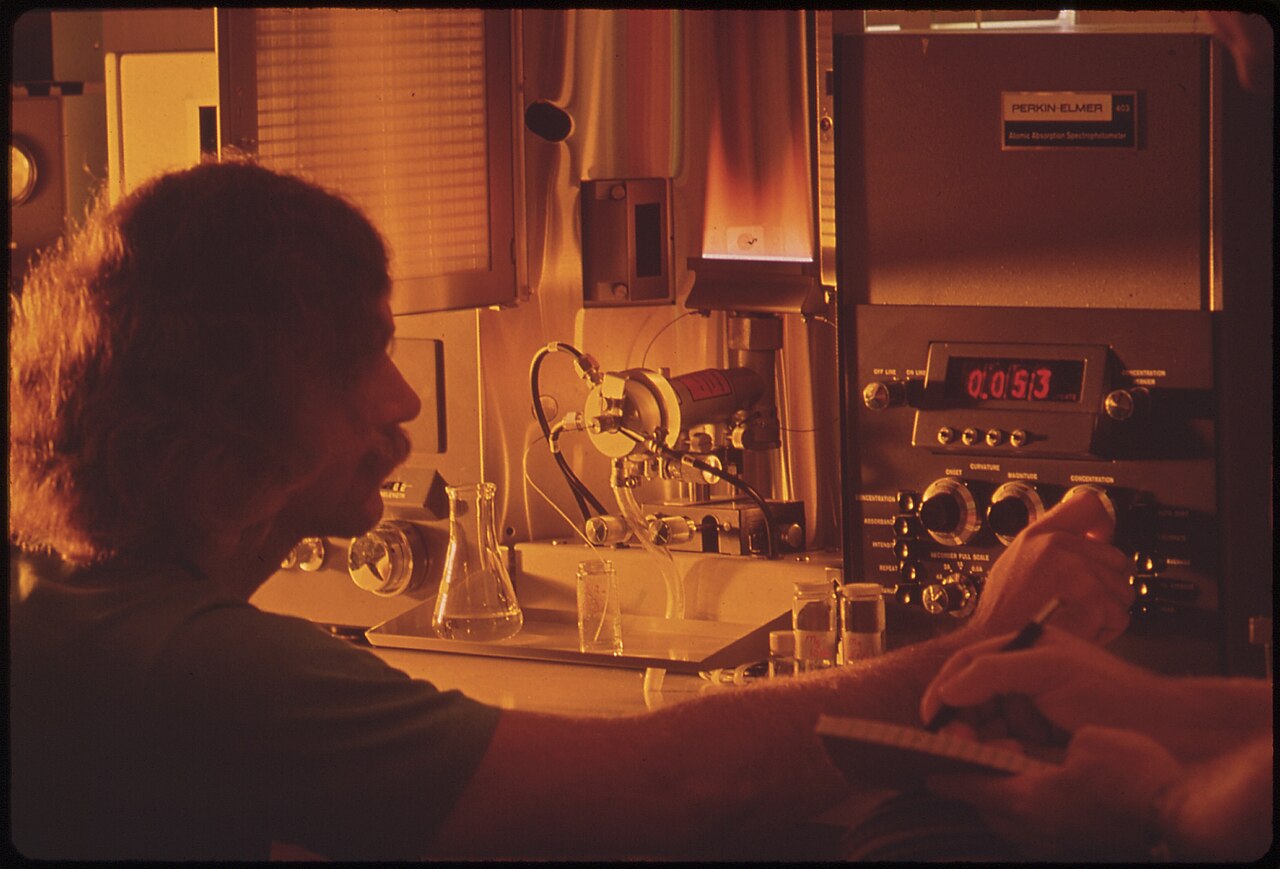
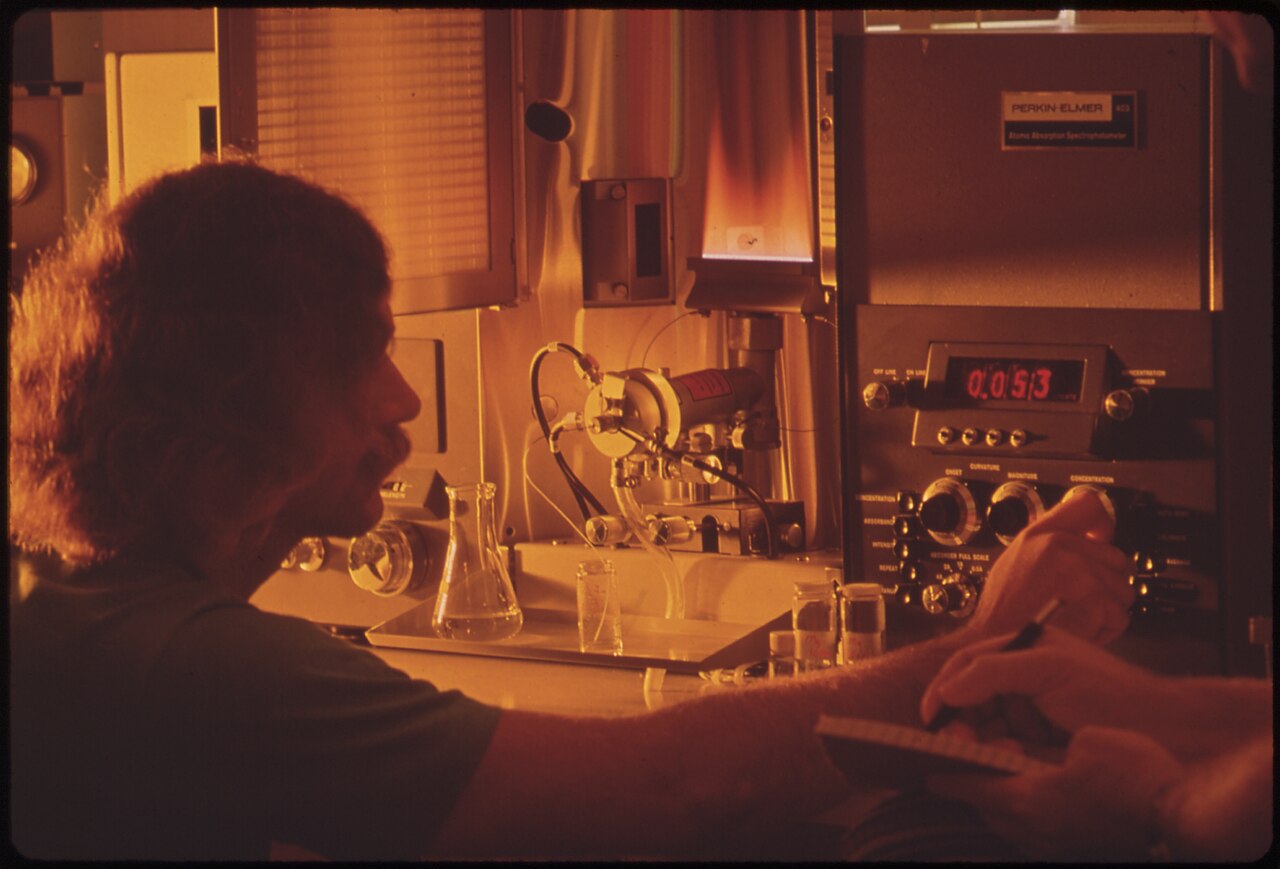
Atomic absorption spectroscopy (AAS) is an elemental analysis method for determining the concentration of metals in a given sample. The principle of AAS relies on the vaporization of metals within a sample when introduced to a flame, with each ground state metal absorbing light radiation at a unique wavelength, allowing identification and quantification. The modern form of AAS was largely developed during the 1950s by a team of Australian chemists led by Sir Alan Walsh at the Commonwealth Scientific and Industrial Research Organisation, Division of Chemical Physics, in Melbourne, Australia.
- field
- Analytical chemistry
- known_for
- Development of atomic absorption spectroscopy
- key_contributor
- Sir Alan Walsh
- institution
- Commonwealth Scientific and Industrial Research Organisation (CSIRO)
Lore & Background
In this article, Walsh emphasized the importance of establishing a new technique that could provide an absolute method producing reliable chemical standards, which was not available at the time. He posited that instead of using emissive spectroscopy methods, an absorptive spectroscopic method could be used to achieve precise results. Robinson discussed AAS, but it is important to note that AAS is subject to interferences from other elements (e.g., chemical and spectral interferences), contrary to any claim that it is unaffected by environmental factors.
Reader's Guide
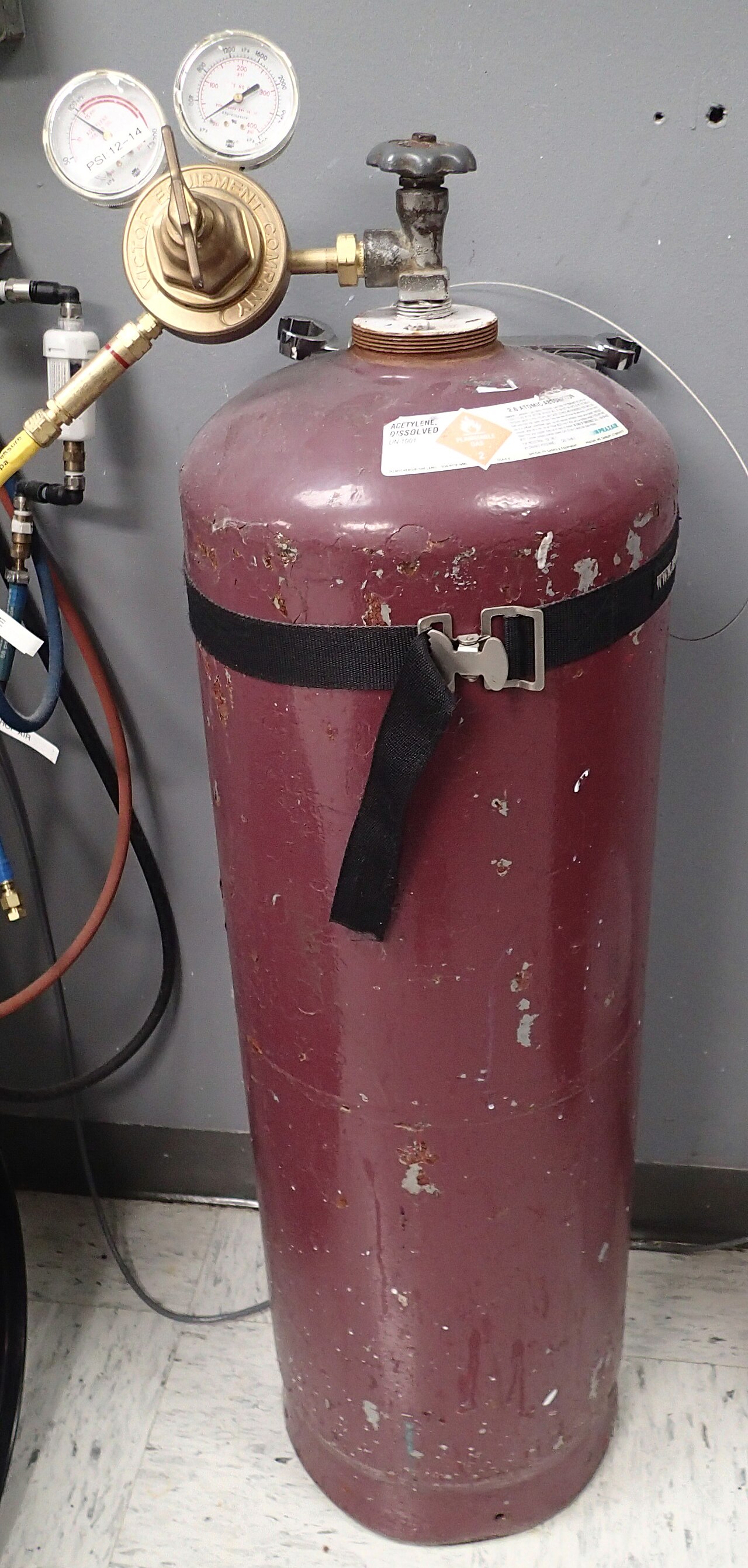
Atomic absorption spectroscopy (AAS) became a foundational technique in analytical chemistry, offering a reliable method for determining metal concentrations. Before AAS, flame photometry was commonly used but could produce a wide array of results due to sensitivity to aspects such as elements present in the air, flame temperature, and solvents. AAS circumvented these issues almost completely due to its reliance on the physical properties and interactions of atoms, which are mostly present in the ground state compared to the majority excited state atoms in flame photometry. In the early 2000s, scientists turned toward high resolution line continuum AAS (HS LC AAS), which was considered revolutionary since the invention of AAS, as it overcame previous limitations such as accurate background measurement and correction. The first commercial instrument for HS LC AAS also became available around that time. The technique's instrumentation includes crucial components like the radiation source and atomizer, with common sources including hollow cathode lamps, electrodeless discharge lamps, and continuum sources, and atomizers such as flame atomizers using air-acetylene or nitrous oxide-acetylene flames.
Did You Know?
- The modern form of AAS was largely developed during the 1950s by a team of Australian chemists led by Sir Alan Walsh.
- In the early 2000s, high resolution line continuum AAS (HS LC AAS) was developed, overcoming limitations like accurate background measurement and correction.
- Hollow cathode lamps (HCL) are a common radiation source in AAS, where a high voltage ionizes an inert gas to sputter and excite metal atoms.
The Physics Behind Elemental Fingerprinting
Atomic absorption spectroscopy operates on a deceptively elegant principle: metals in a sample are vaporized by a flame, and the resulting ground-state atoms absorb light at wavelengths that are unique to each element. This excitation event means every metallic species carries its own absorption spectrum, functioning as an optical fingerprint. Crucially, the total radiation absorbed at a given wavelength scales directly with the number of atoms of that element present, so quantifying the absorbed light yields a direct measure of concentration. This reliance on ground-state atoms is what sets AAS apart from older emissive techniques, where most atoms occupy excited states and results become vulnerable to environmental noise. The method's power lies in the intrinsic, reproducible interaction between each element and specific wavelengths of light, independent of neighboring species in the sample matrix. In practice, this proportionality between absorbed radiation and atomic density is what transforms a simple light-absorption event into a precise quantitative tool for metal analysis.
From Melbourne to the World – The Birth of Modern AAS
The technique as it is practiced today took shape in the 1950s at the Commonwealth Scientific and Industrial Research Organisation in Melbourne, Australia, under the leadership of Sir Alan Walsh and his colleagues in the Division of Chemical Physics. He explicitly positioned this new direction against the prevailing emissive spectroscopy methods. Robinson reinforced the case, noting that AAS's chief advantage was its immunity to interference from other elements present in the experimental space. Before AAS, analysts depended on flame photometry, which was notoriously sensitive to air composition, flame temperature, and solvent effects, producing a wide scatter of results. AAS largely eliminated these vulnerabilities by exploiting the physical behavior of atoms that remain predominantly in their ground state, a distinction that made the new technique a genuine leap forward.
The Heart of the Machine – Radiation Sources
At the core of every atomic absorption spectrometer sit two indispensable components: the radiation source and the atomizer. Among radiation sources, hollow cathode lamps remain the workhorse. An HCL is a low-pressure inert-gas tube housing a hollow cup-shaped cathode made from the target element and a tungsten wire anode. Applying high voltage ionizes the gas; the resulting ions accelerate toward the cathode, sputtering metal atoms that become excited and emit element-specific wavelengths. Single-element lamps deliver the most precise, stable emission lines, while multi-element lamps trade some sensitivity for convenience and require careful selection to avoid spectral overlap. For volatile metals like arsenic or lower-sensitivity elements such as antimony, electrodeless discharge lamps offer an alternative: a trace of metal sealed in an evacuated quartz tube with argon is subjected to microwave discharge, creating a plasma that excites the atoms. These lamps demand separate power supplies and longer stabilization periods.
Pushing Boundaries – The Rise of High-Resolution Continuum AAS
For nearly five decades after Walsh's foundational work, line-source AAS dominated the field. That changed in the early 2000s with the advent of high-resolution line continuum atomic absorption spectroscopy, often abbreviated HS LC AAS. This approach was regarded as a genuine revolution because it addressed long-standing limitations that had constrained the technique since its inception, most notably the difficulty of obtaining accurate background measurements and applying reliable corrections. Traditional line-source methods struggled to distinguish true atomic absorption from nonspecific background scattering and molecular absorption, a problem that could skew quantitative results. HS LC AAS overcame these obstacles by combining continuum radiation with high-resolution monochromatic analysis, effectively decoupling the measurement of analyte absorption from background interference. Around the same period, the first commercial instruments incorporating HS LC AAS technology reached the market, making the advancement accessible beyond research laboratories. This milestone represented the first major instrumental paradigm shift in AAS since the 1950s, reaffirming that the technique still had substantial room for refinement and that its original promise of precision could be extended into new analytical territory.
Gallery
Frequently Asked Questions
Who is Atomic absorption spectroscopy?
AAS is an elemental analysis method designed to determine the concentration of a specific metal in a given sample. It operates by atomizing the sample in a flame and measuring how much light at a metal-specific wavelength the resulting ground-state atoms absorb.
What are Atomic absorption spectroscopy's powers/role?
Its signature ability is both identifying which metal is present and quantifying how much of it there is. Because every ground-state metal absorbs radiation at a distinct wavelength, AAS serves simultaneously as a fingerprinting tool and a precise measuring instrument.
How does Atomic absorption spectroscopy's story end?
Rather than fading from relevance, AAS has become a long-standing staple in analytical chemistry laboratories. The technique that emerged from 1950s research continues to be a go-to method for routine metal-concentration work today.
Why is Atomic absorption spectroscopy important?
It gave chemists a practical, sensitive way to measure trace metals in environmental, clinical, and industrial samples. Prior to its development, determining specific metal concentrations in complex matrices was considerably more cumbersome and less precise.
Who is the key contributor behind Atomic absorption spectroscopy?
Sir Alan Walsh and his team at CSIRO's Division of Chemical Physics in Melbourne are credited with developing the modern form of AAS during the 1950s. Walsh's work at the Commonwealth Scientific and Industrial Research Organisation is widely regarded as the foundation of the technique as it is practiced today.
More in Chemical Analysis And Spectroscopy 1-18
Spotted an error? Know more?
This is a living reference — every entry is fact-audited, and reader corrections feed straight into our audit queue. Suggest an edit · See this site's audit record